
CHAPTER 30 · of 41
Parkinson's Disease
Dopaminergic decline, gut–brain origin, and the protocols that genuinely slow progression.
Brain & Nervous System
Why this chapter matters
Parkinson's is not only a movement disorder. It is a whole-system condition involving dopamine, mitochondrial function, gut health, inflammation, detoxification, sleep, and neuroplasticity. Many people experience digestive, mood, sleep, and autonomic symptoms years before tremor appears. This chapter looks at the earlier biological terrain and the interventions that may help preserve function for longer.
What you'll learn
6 takeaways from this chapter.
- How dopamine decline affects movement, motivation, mood, and cognition
- Why the gut-brain axis matters in Parkinson's risk and progression
- The mitochondrial, inflammatory, and oxidative-stress patterns commonly involved
- Exercise, balance training, protein timing, sleep, and nutrition strategies that matter
- How to think about neuroplasticity and nervous-system support after diagnosis
- Where regenerative and nootropic peptides may sit alongside conventional care
Who this chapter is for
Anyone with Parkinson's, early symptoms, or a family history who wants to understand the biology beyond medication timing. Also useful for partners, carers, and health-focused readers looking at prevention and nervous-system resilience.
Part of The Body Blueprint, 41 chapters across every system that matters. £6 per chapter, or £29 for the full bundle (save £217).
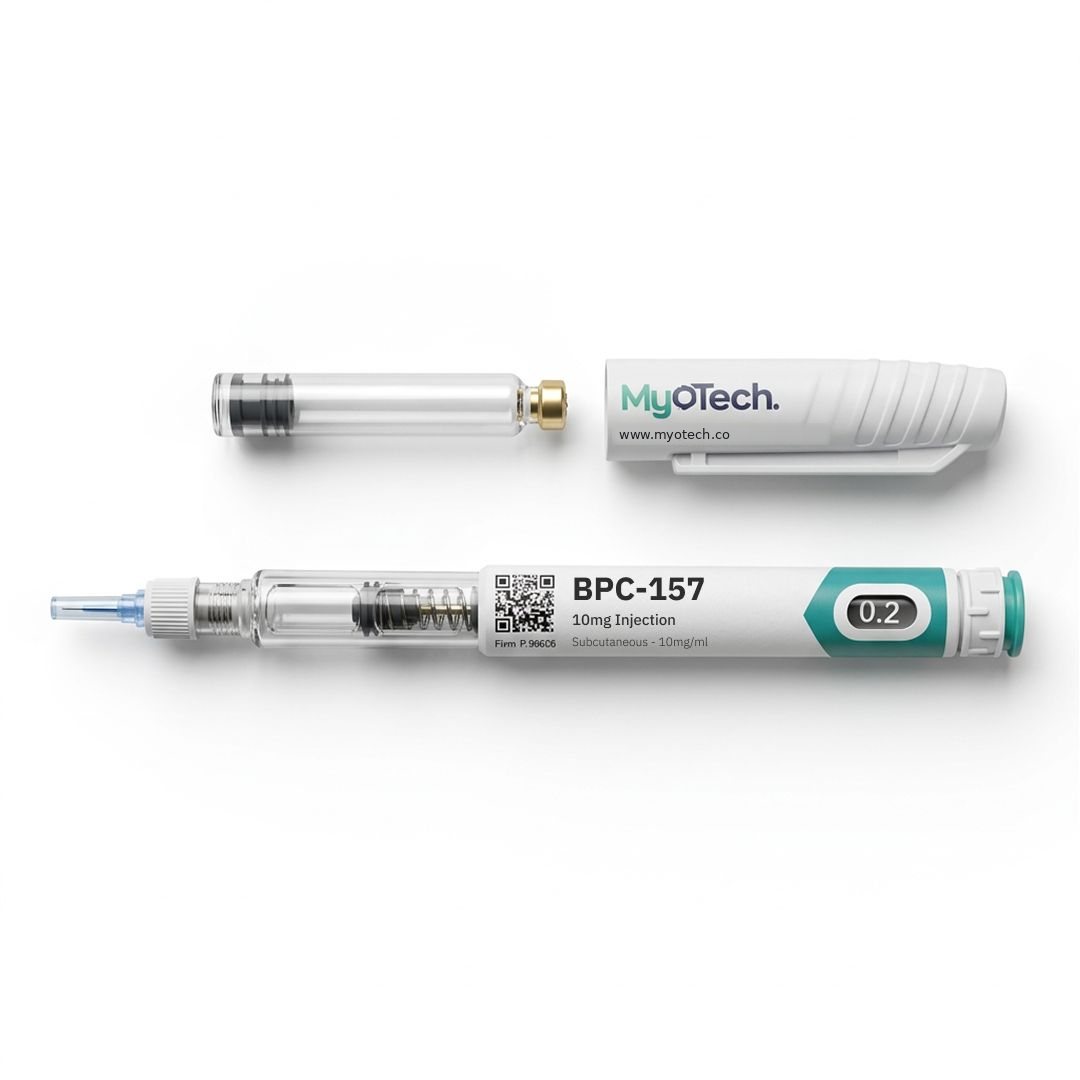
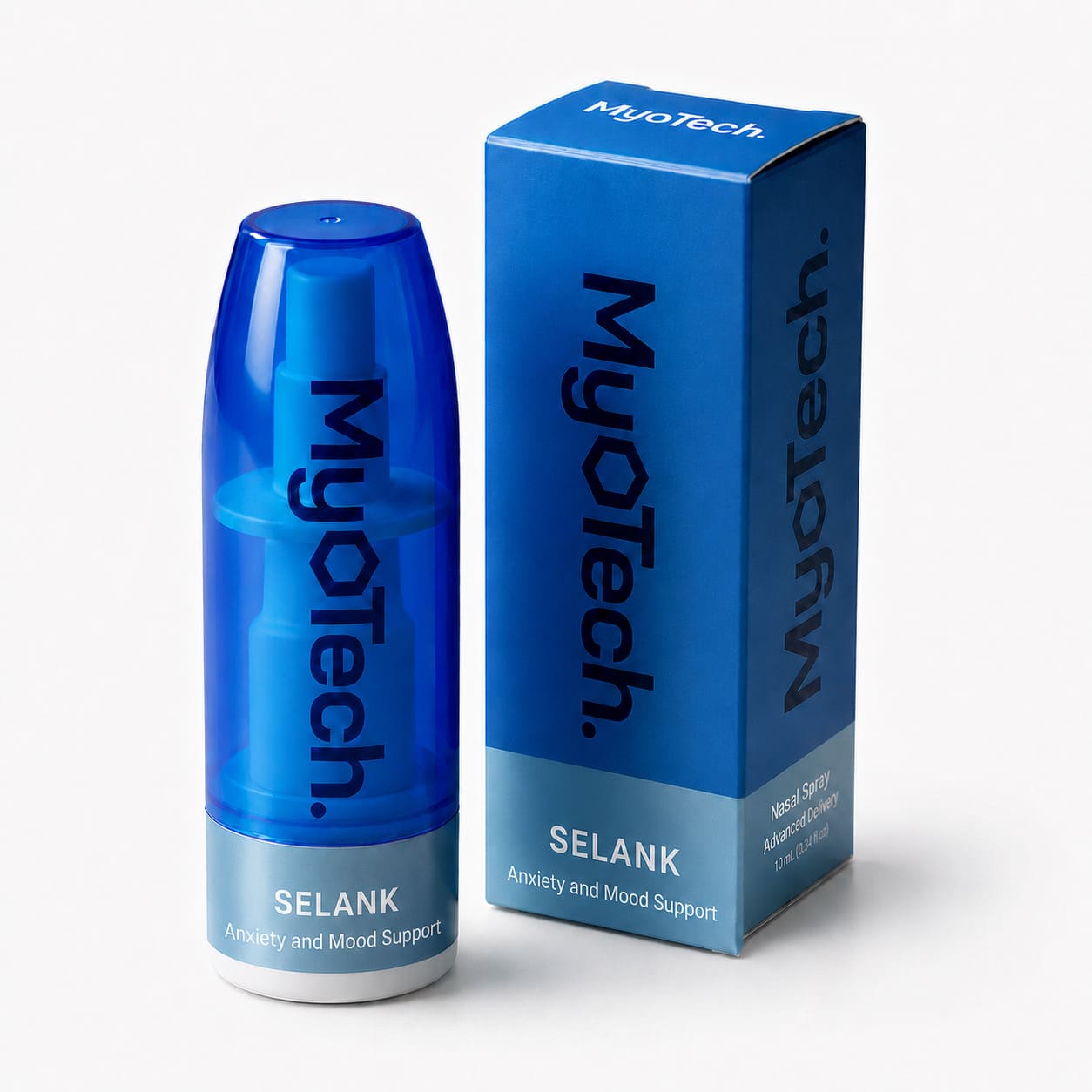
Optimise with MYOTECH
Browse full catalogue Peptides paired with this chapter.
Build the natural foundation first, then layer the MYOTECH protocols matched to what you've just read.

Don't stop at one chapter
Or save £217 and get all 41 chapters for £29
Individual chapters: £246 · Full Blueprint: £29 · Save £217 (88% off).